01
Real-time location
Increased safety, as managers can monitor the exact location of their vehicles in real-time at any moment.

Advanced GPS technology that gives fleet managers a completely different level of control, visibility and quality, in real-time.
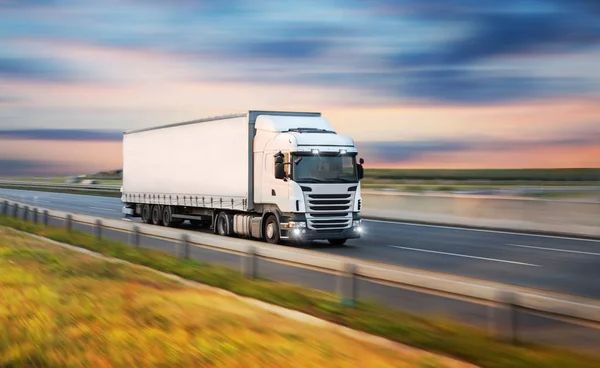
In today's fast-paced delivery era, a business can either create efficient processes or fail. That's why ensuring the protection and efficiency of vehicles is of utmost importance. This is exactly where GPS tracking comes into play, unlocking a completely different level of control, visibility, and quality. Advanced GPS technology in the hands of fleet managers allows them to monitor their vehicles in real-time, making routes safer and easier, preventing theft, and improving functionality.
Fleet tracking via GPS offers numerous advantages:
Increased safety, as managers can monitor the exact location of their vehicles in real-time at any moment.
In case of theft or unauthorized access, immediate measures can be taken to recover the vehicle and prevent losses.
GPS tracking helps optimize vehicle routes — selecting routes that consume less fuel and require less travel time.
Avoiding heavy traffic or rerouting due to emergencies, businesses can enhance their efficiency — and keep customers satisfied with timely deliveries every time.
There's no reason to let your fleet fall behind, as GPS tracking is no longer a luxury but an immediate necessity. Both small and large businesses aim to ensure the safety of their people, their vehicles, and the efficiency of both simultaneously.
GPS tracking relies on a network of satellites that send signals to GPS receivers installed in vehicles.
These receivers calculate the vehicle's position by measuring the distance from at least four satellites. This information is then transmitted to a central server, where fleet managers can access real-time data on vehicle movements and locations.
All data collected by GPS tracking systems can be integrated into various software platforms, enabling comprehensive reporting and analysis solutions.
Fleet managers use this information to create detailed maps of vehicle routes, monitor trip durations, and evaluate the overall performance of their fleet. These advanced systems offer specific features such as geofencing, which sends alerts when a vehicle enters or exits a predefined area — providing an additional layer of monitoring and control.
Most GPS tracking systems include mobile or satellite communication capabilities, ensuring uninterrupted data transmission even in remote areas. This is particularly beneficial for fleet managers operating in rural regions, allowing them to maintain visibility of their vehicles regardless of location.
Modern GPS systems are equipped with various features that enhance fleet management capabilities, such as real-time tracking and communication. Managers can communicate with drivers, offering alternative routes or assistance during their trips — ensuring deliveries are made within the desired timeframe.
Continuous live updates on vehicle position, status and movement across your entire fleet.
Stay connected with drivers, share route updates and provide on-the-go assistance.
Intelligent route suggestions reduce fuel costs and shorten delivery times automatically.
Set virtual perimeters and receive instant alerts when vehicles enter or leave defined zones.
Detailed maps, trip durations and full performance analytics for smarter decisions.
Identify idle vehicles and assign new routes or delivery tasks to maximize fleet productivity.
Another valuable feature provided by GPS systems is better task allocation. Managers can identify idle vehicles and assign them new routes or delivery tasks. This reduces operational costs and ensures top performance from the fleet — every aspect of the company operates efficiently.
Additionally, GPS tracking improves communication between fleet managers and drivers. With real-time updates, managers can relay important information to drivers — such as changes in delivery schedules or traffic alerts. This improved communication fosters a collaborative environment where drivers feel supported and informed.
When drivers have access to the necessary tools and information, they perform their duties with greater confidence and efficiency. Ultimately, integrating GPS tracking into fleet operations leads to a more productive workforce and higher customer satisfaction levels.
Get started with advanced GPS tracking today — protect your vehicles, optimize your routes and keep your customers happy.